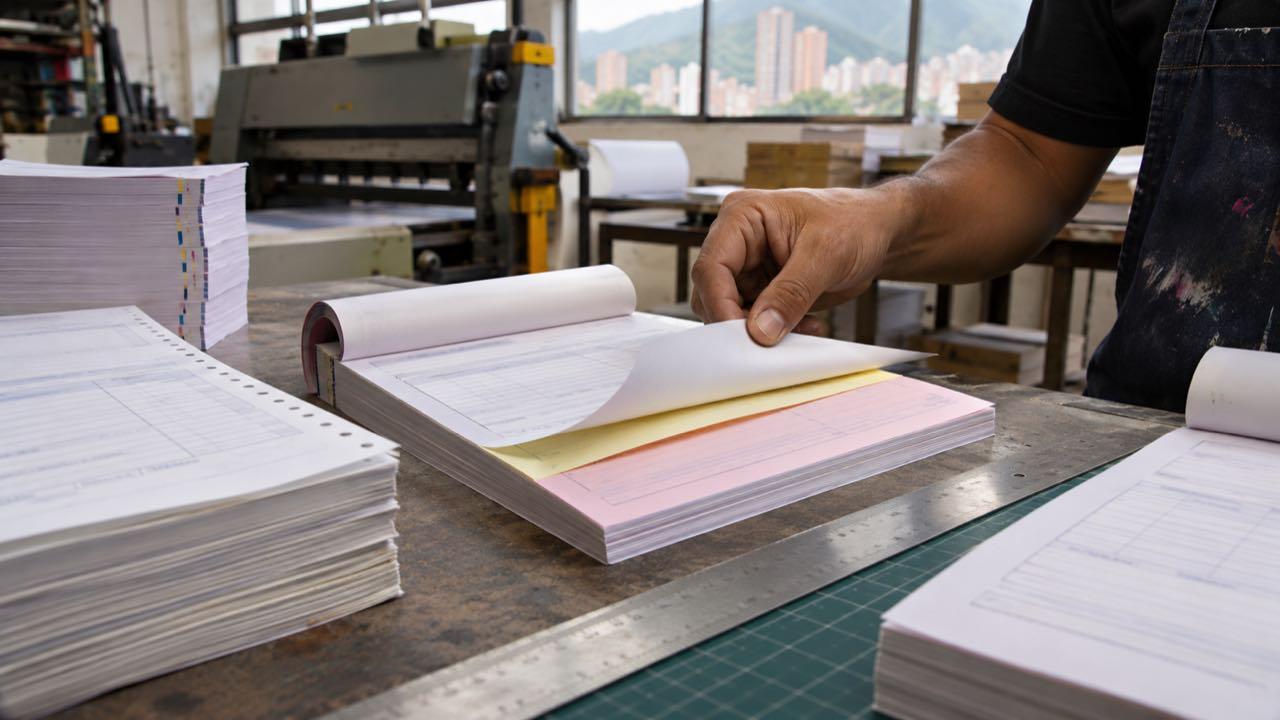
By Azabache Producciones on
Color proofs change under LED light: brightened paper alters the comparison
Viewing light and paper can alter the comparison between a color proof and the final printed piece, even when the file is unchanged.
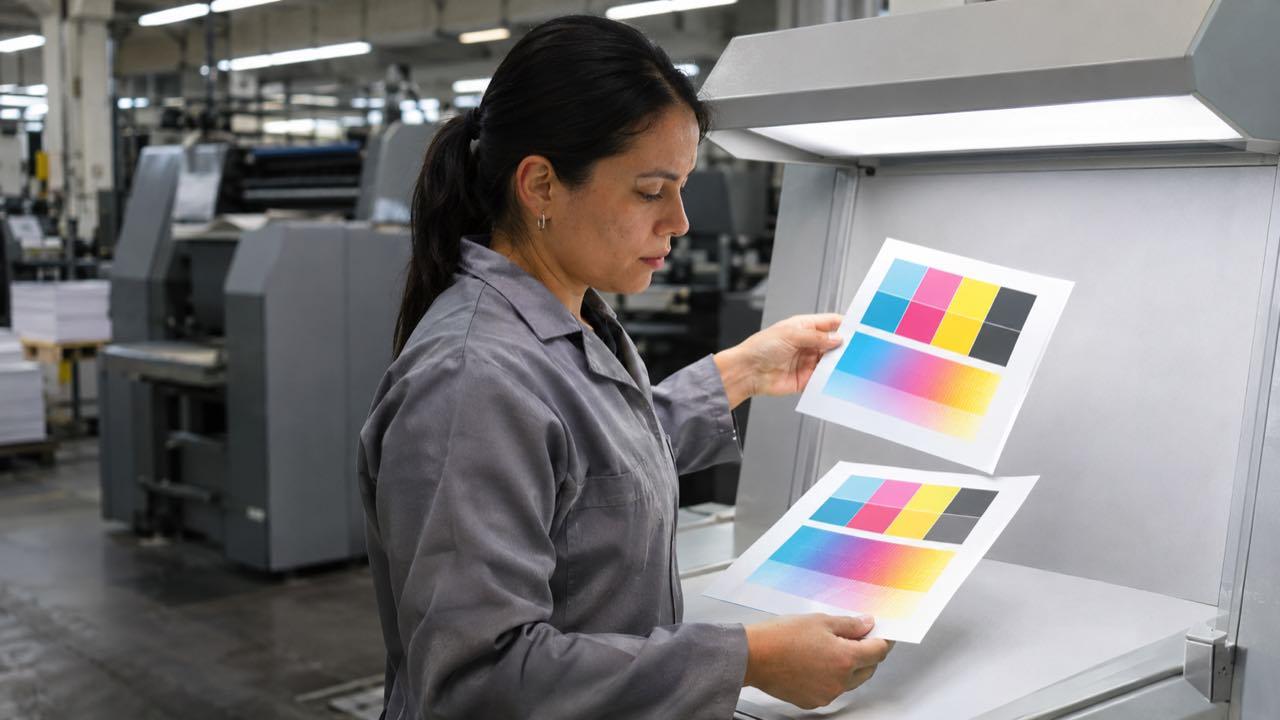
A proof that looks right next to a computer may look different beside the press run. Viewing light and paper both affect the color the eye perceives. The difference matters more when the substrate, the material printed on, contains optical brighteners.
The wider use of LED lighting in review spaces changed that conversation: not every LED light provides the same ultraviolet energy. The same print can look different when it moves from one light source to another. A color approval therefore needs to define where and how the piece is viewed.
International standard International Organization for Standardization, ISO 3664:2025 updated conditions for viewing printed material and added scenarios with D50 illumination without ultraviolet content. The update recognizes that LED lighting now affects evaluation of printed color. By itself, it is not an obligation for Colombian printing companies.
What can change a color proof for printing?
A color proof for printing can vary with the lighting, paper, file and final press condition. Optical brighteners in paper respond differently depending on the light falling on them. As a result, two pieces with the same ink may not look alike in two viewing environments.
Report 13.009 from Fogra Forschungsinstitut für Medientechnologien examines the relationship between low-UV LED lighting and those brighteners. A useful comparison places the proof and the press run under an agreed lighting condition. That helps keep a viewing difference from being blamed on the file.
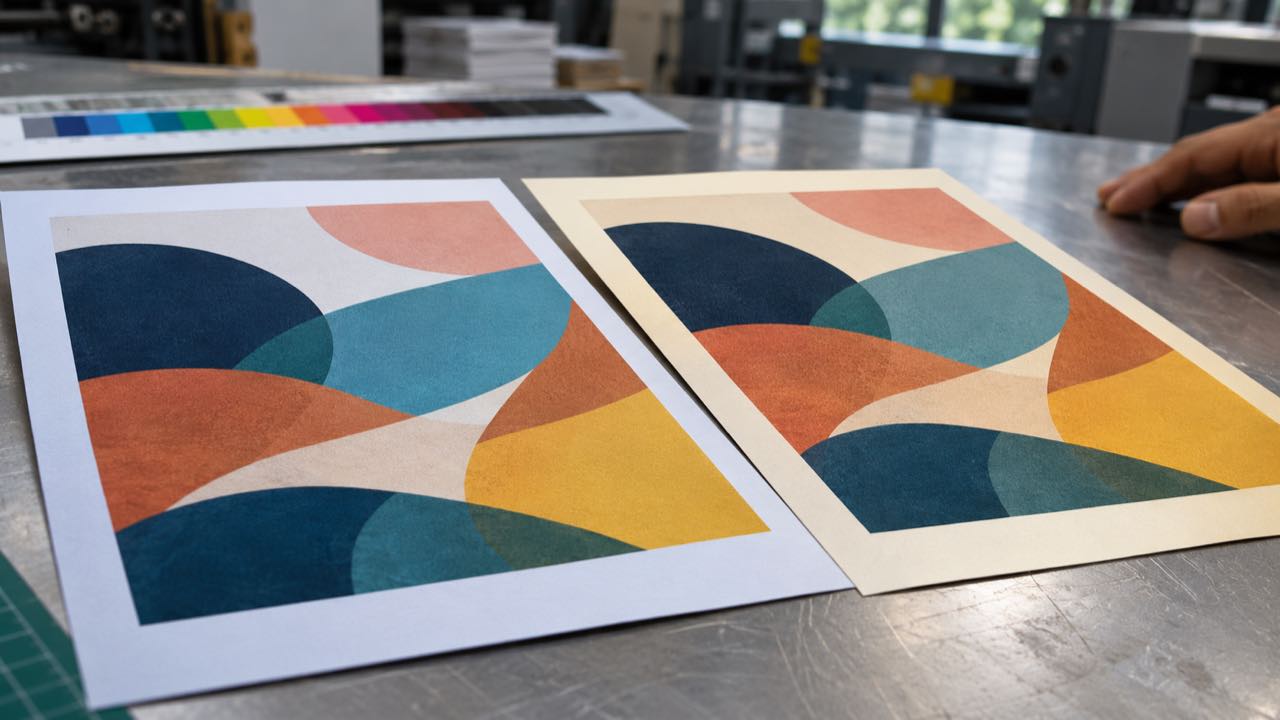
Two proofs of the same design on different papers on a review table. Illustrative image generated with artificial intelligence.
Why does the right CMYK color profile not solve everything?
A CMYK color profile, the conversion that translates digital colors into printing inks, organizes the file but does not replace physical review. The final result depends on characterization, conversion, proofing and the printing condition. Paper, inks and the printing process remain part of that chain.
PRINTING United Alliance makes that distinction when presenting PRINTWide 2026a Alpha as a testing resource for wide-gamut workflows. A profile under evaluation is not a final specification for every print job. The availability of profiles, light booths and process controls depends on the supplier and the project.
How is a black or blue color print proof reviewed?
Blacks and blues can reveal hue shifts readily, so they are best compared under the lighting defined for approval. A proof works as a reference only when it retains the agreed viewing context. For color-sensitive work, a physical sample can clarify the expected result better than a screen alone.
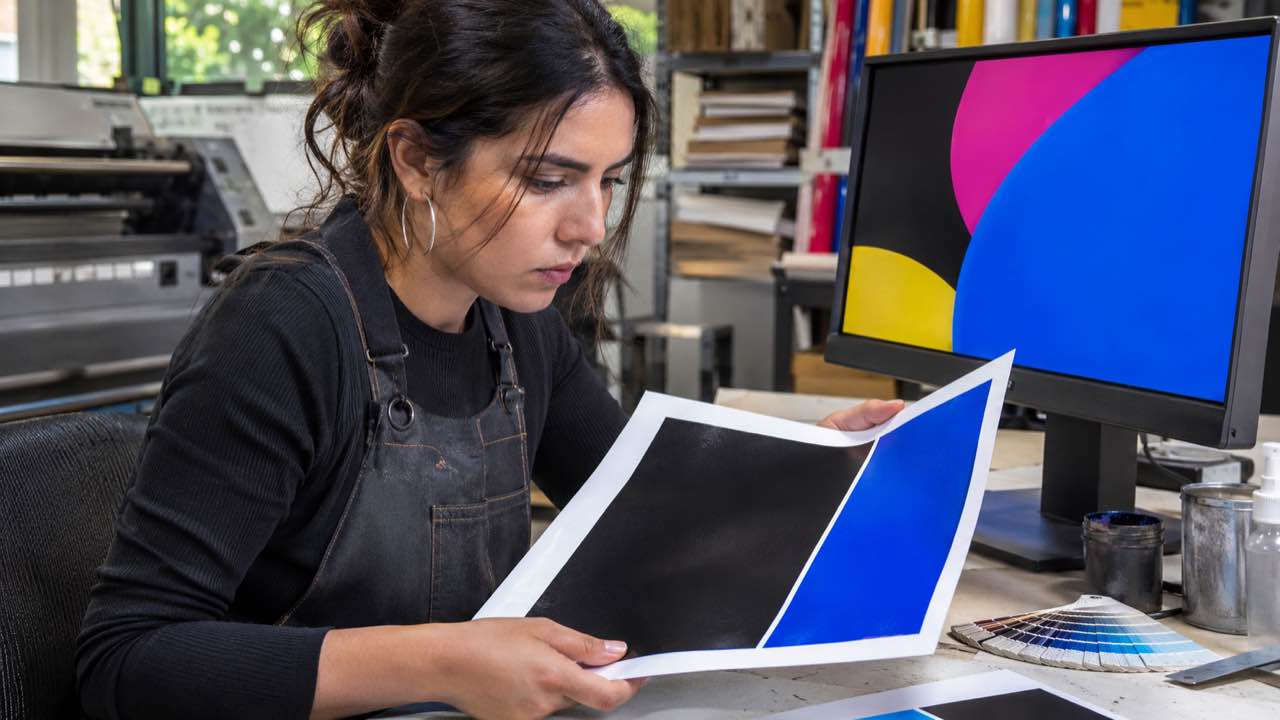
Prepress specialist reviews black and blue areas on a printed proof. Illustrative image generated with artificial intelligence.
Review begins before printing: the file needs a defined color conversion and proofing condition. Consistent preparation reduces late adjustments between the file, proof and press run. The design and prepress service for printing in Medellín supports that preparation before the piece goes into production.