By Azabache Producciones on
Management reports now use periodic reporting: the document coexists with digital dashboards
Periodic reporting changes how a management report is edited: documents, appendices and digital access can serve different rhythms.

A management report does not necessarily arrive as a closed annual volume anymore. Bimonthly and quarterly releases turn editing into an updateable system. Sapiencia keeps 2026 reports for January-February, March-April, May-June and July-August, while the District Institute of Recreation and Sport published a report through September on October 30, 2026.
That pace changes the editorial question: it is not only about gathering results at year-end, but about preparing a structure that can add periods, appendices and new figures without losing continuity. A consistent template reduces structural changes from one release to the next.
The printed edition can provide an orderly, lasting read, while digital access expands the available data. The document and the digital dashboard serve different roles within the same accountability process. Medellín City Hall presents its 2025 Management Report in chapters, with a full document and a digital dashboard.
Why is a management report no longer planned only as an annual edition?
Periodic publication makes progress visible during the reporting year instead of concentrating it in one closing document. Interim reporting makes the progress of goals, programs and results visible. Colombia's National Civil Service Commission brings together consolidated reports for the first three quarters of 2026, evidence of this ongoing follow-up.
For editing, this supports a repeatable architecture: period cover, executive summary, stable chapters, indicators and appendices that are updated. The editorial model should keep each period's data comparable. Each release can then be read on its own and as part of a series.
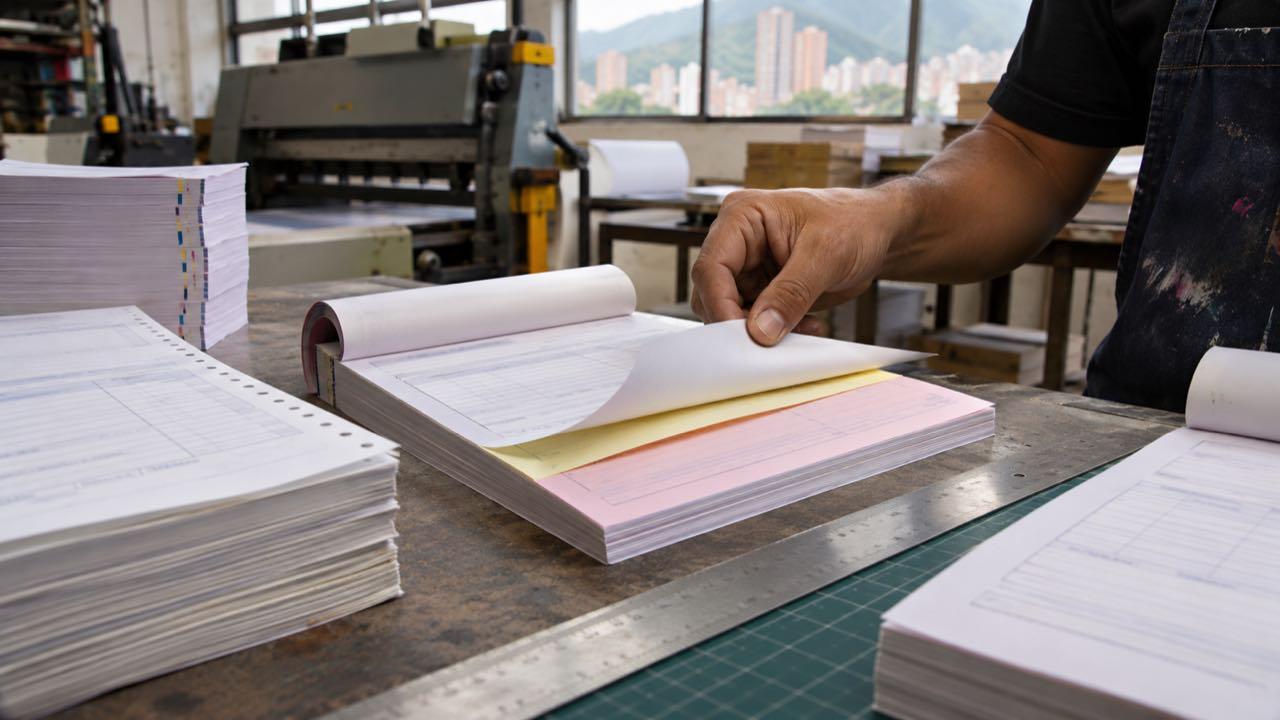
Printed report sections organized by reporting period. Illustrative image generated with artificial intelligence.
How can the document coexist with appendices and a digital dashboard?
The report can concentrate context, decisions and main results, while appendices gather detail that does not fit the central reading. A digital dashboard complements the publication when indicators need closer exploration. It does not automatically replace the document, because each serves different kinds of consultation.
The relationship works best when chapters, indicator names and periods match across formats. Stable naming prevents readers from confusing a printed figure with its digital reference. In editing projects for publications and management reports, that definition also organizes prepress and updates.
What changes when the report belongs to a public entity?
State entities have publication duties that do not apply in the same way to private companies. Law 1474 links the action plan to the previous year's management report. Its Article 74 requires publication by January 31 for the entities to which it applies.
In addition, Resolution 1519 of 2020 requires obligated parties to apply publication and disclosure standards on their websites and electronic offices. The digital version needs publication criteria specific to the obligated public sector. The applicable scope depends on the entity and its status, not on a general rule for every organization.

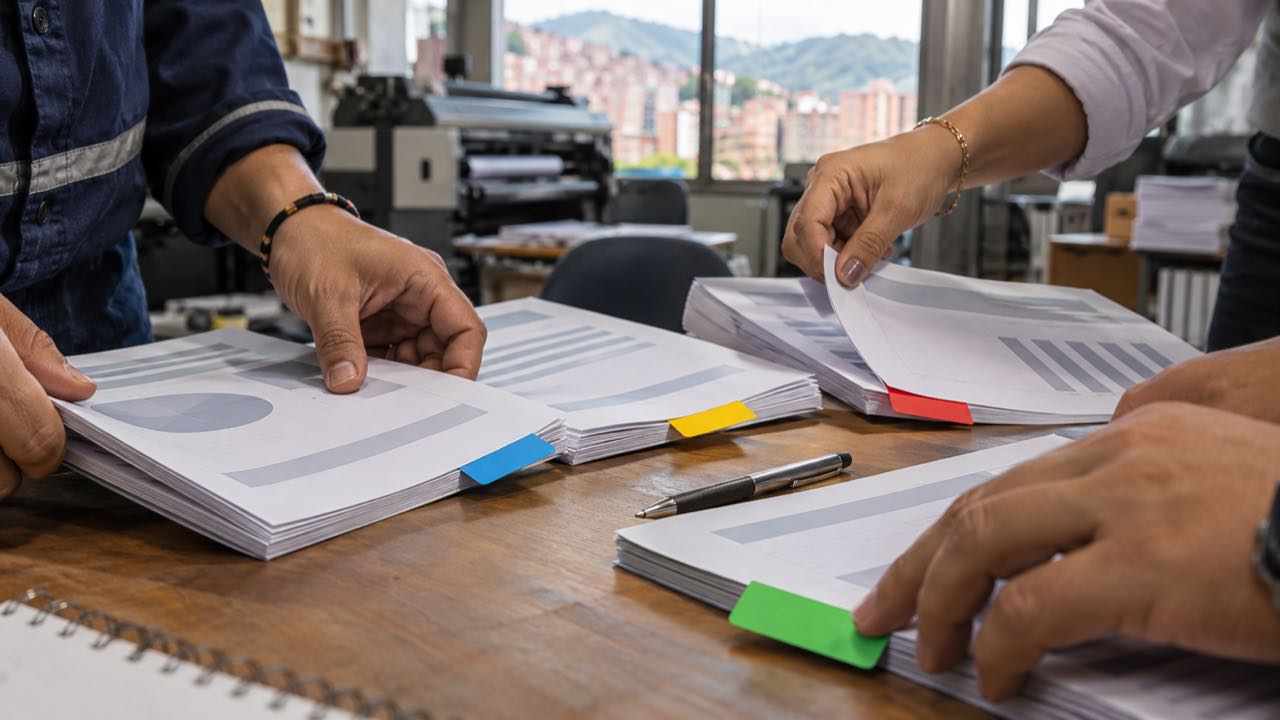
Bound report, appendices and digital dashboard on a desk. Illustrative image generated with artificial intelligence.
What should be defined before producing a periodic edition?
Before production, it is useful to define what remains in every release and what changes by period: length, chapters, appendices, charts and the related digital version. Reporting frequency shapes the editorial calendar from data collection through release. Timing depends on the run, finishing and materials, and should be stated in the quotation.
There is no comparable per-copy price among printers because specifications vary from one project to another. A useful quotation starts with defined content and a clear update frequency. The result is a publication that keeps its identity between releases without treating printing as a replacement for digital access.